More traffic means more ad impressions, more clicks, and more revenue. But growing blog traffic takes more than just publishing posts and hoping people find them. You need a strategy.
These 12 techniques have helped real bloggers grow from zero to thousands of daily visitors. They work whether you're brand new or stuck at a traffic plateau. Let's break them down.
What You'll Learn:
- 12 proven traffic growth strategies for 2026
- Which strategies work fastest vs. which build long-term traffic
- How to prioritize based on your current traffic level
- Free tools to track and optimize your traffic
SEO-Based Strategies (Strategies 1-4)
Organic search is still the #1 traffic source for most blogs. These four strategies make Google work for you.
1. Target Long-Tail Keywords
Don't try to rank for "blogging tips." Instead, target specific phrases like "blogging tips for stay-at-home parents" or "blogging tips to get AdSense approved." Long-tail keywords have less competition and attract readers who are ready to take action.
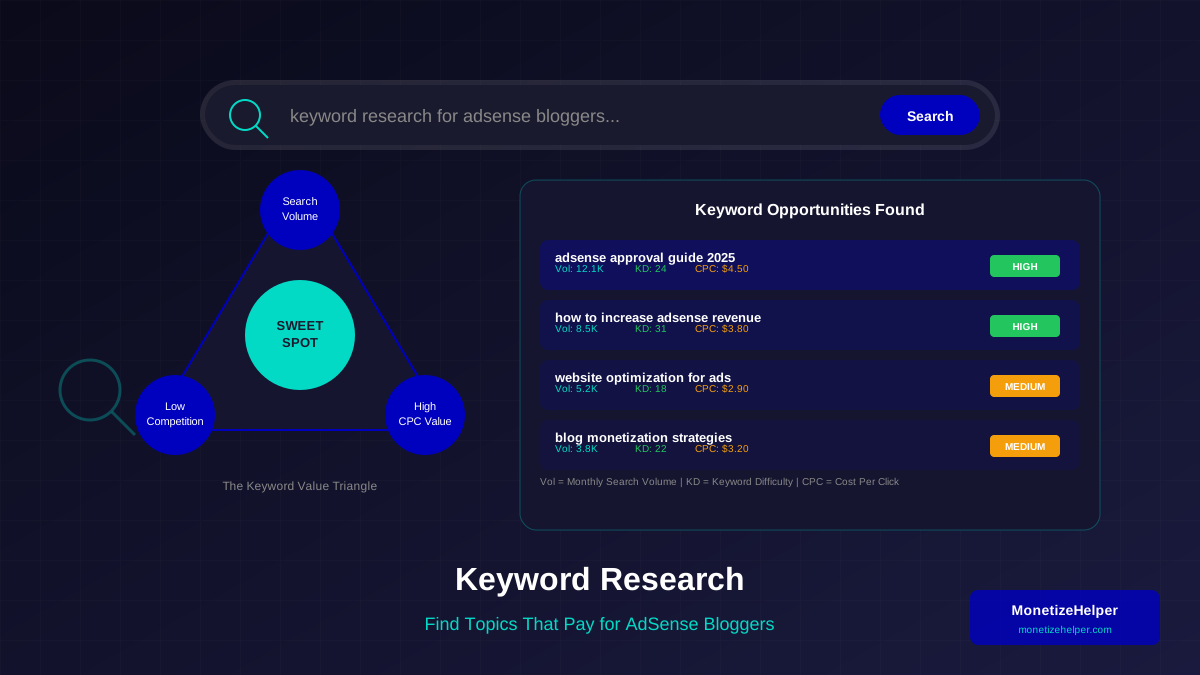
Use free tools like Google's "People Also Ask" section, Answer the Public, or our keyword research guide to find great long-tail opportunities.
2. Update and Refresh Old Content
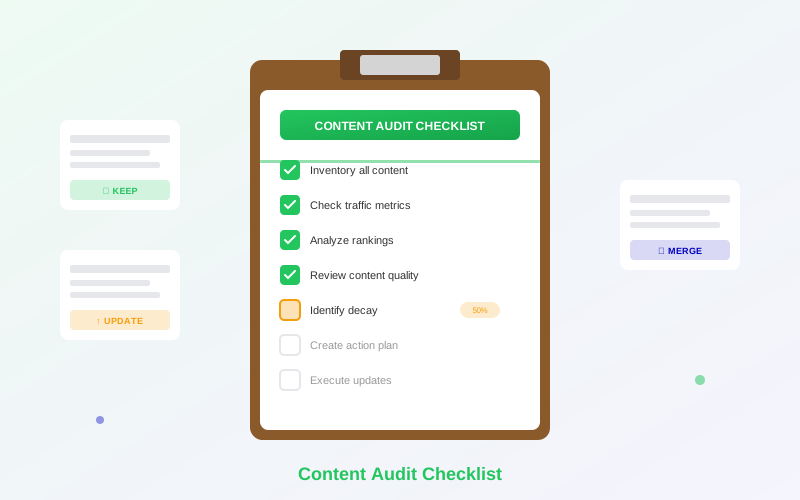
Your older posts are quietly losing traffic. Google prefers fresh, updated content. Go through your archives every quarter and:
- Update outdated statistics and examples
- Add new sections based on search intent changes
- Fix broken links
- Add internal links to newer articles
- Update the published date after significant changes
Content refreshing is one of the fastest ways to boost traffic. Read our content audit guide for a step-by-step process.
Learn more in SEO Content Writing Guide: How to Write Articles That Rank and Convert →
3. Optimize for Featured Snippets
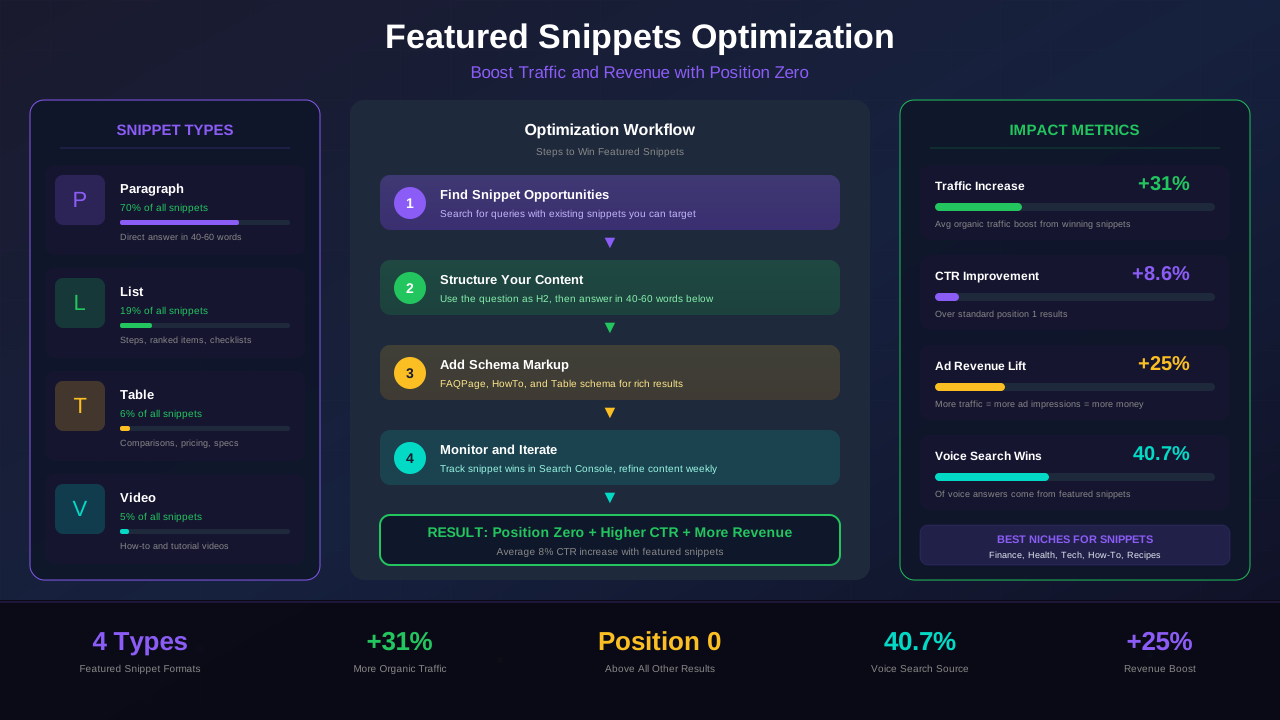
Featured snippets appear above regular search results. They get massive click-through rates. To win them:
- Answer questions directly in 40-60 words
- Use numbered lists for "how-to" queries
- Use tables for comparison queries
- Place the answer right after the question heading
Our featured snippets guide covers this in detail.
4. Build Topical Authority
Don't write about random topics. Pick 3-5 core topics and go deep. Write 10-20 articles on each topic, linking them together. Google rewards sites that demonstrate deep expertise in specific areas.
Content Strategies (Strategies 5-8)
5. Write Pillar Content
Create 3-5 comprehensive "ultimate guides" of 3,000-5,000 words. These pillar posts attract links, rank for multiple keywords, and serve as hubs for your internal linking structure.
For more on this topic, see our guide on Content Localization Strategy: Reach Global Audiences & Boost Revenue →
Link every related post back to the pillar. This creates topic clusters that Google loves.
6. Publish Consistently
Frequency matters less than consistency. Publishing 2 well-researched articles per week beats 10 rushed ones. Pick a schedule you can maintain and stick with it. Use a content calendar to stay organized.
7. Create List Posts and How-To Guides
These two formats consistently outperform other content types for traffic:
- List posts: "15 Ways to..." "Top 10 Tools for..." Easy to scan, highly shareable
- How-to guides: Step-by-step instructions that solve specific problems
Both formats attract backlinks naturally and work well for featured snippets. See our listicle writing guide for tips.
Related reading: AI Content and AdSense: How to Use AI Safely Without Getting Banned →
8. Repurpose Your Best Content
Turn your top-performing blog posts into other formats:
- Blog post → YouTube video
- Blog post → Infographic for Pinterest
- Blog post → Twitter/X thread
- Blog post → Email newsletter series
- Blog post → Podcast episode
Each format reaches a different audience. One piece of content can drive traffic from 5 different channels. Read our content repurposing guide.
Promotion Strategies (Strategies 9-12)
9. Build an Email List
Email subscribers are your most loyal readers. They come back whenever you ask. Start collecting emails from day one with a simple lead magnet (checklist, template, or cheat sheet).
Send a weekly newsletter with your latest posts. Even a small list of 500 subscribers can drive hundreds of pageviews per email.
Learn more in Featured Snippets Optimization: Boost Traffic and Revenue Fast →
10. Use Pinterest for Visual Niches
Pinterest isn't just social media — it's a search engine. For niches like food, home, fashion, and DIY, Pinterest can drive more traffic than Google. Create tall pin graphics (1000x1500px) for every blog post and pin them to relevant boards.
11. Guest Post on Related Blogs
Write quality guest posts for blogs in your niche. Each one earns you a backlink (great for SEO) and puts your name in front of a new audience. Aim for 1-2 guest posts per month.
12. Engage in Online Communities
Share your expertise in Reddit, Facebook groups, Quora, and niche forums. Don't spam links — provide genuinely helpful answers and include a link only when relevant. This builds your reputation and drives targeted traffic.
How to Prioritize by Traffic Level
Not all strategies are right for every stage. Here's where to focus based on your current traffic:
For more on this topic, see our guide on How to Find Trending Topics & Create Viral Blog Content →
Under 100 Visitors/Day
- Publish 3-4 long-tail keyword articles per week
- Set up basic internal linking
- Create your first pillar post
- Start building your email list
100-1,000 Visitors/Day
- Audit and refresh existing content
- Optimize top posts for featured snippets
- Start guest posting 1-2x per month
- Add Pinterest if your niche is visual
1,000+ Visitors/Day
- Build topical authority clusters
- Repurpose best content across channels
- Engage in community building
- Consider upgrading to Mediavine or Raptive
Frequently Asked Questions
How long does it take to see traffic growth?
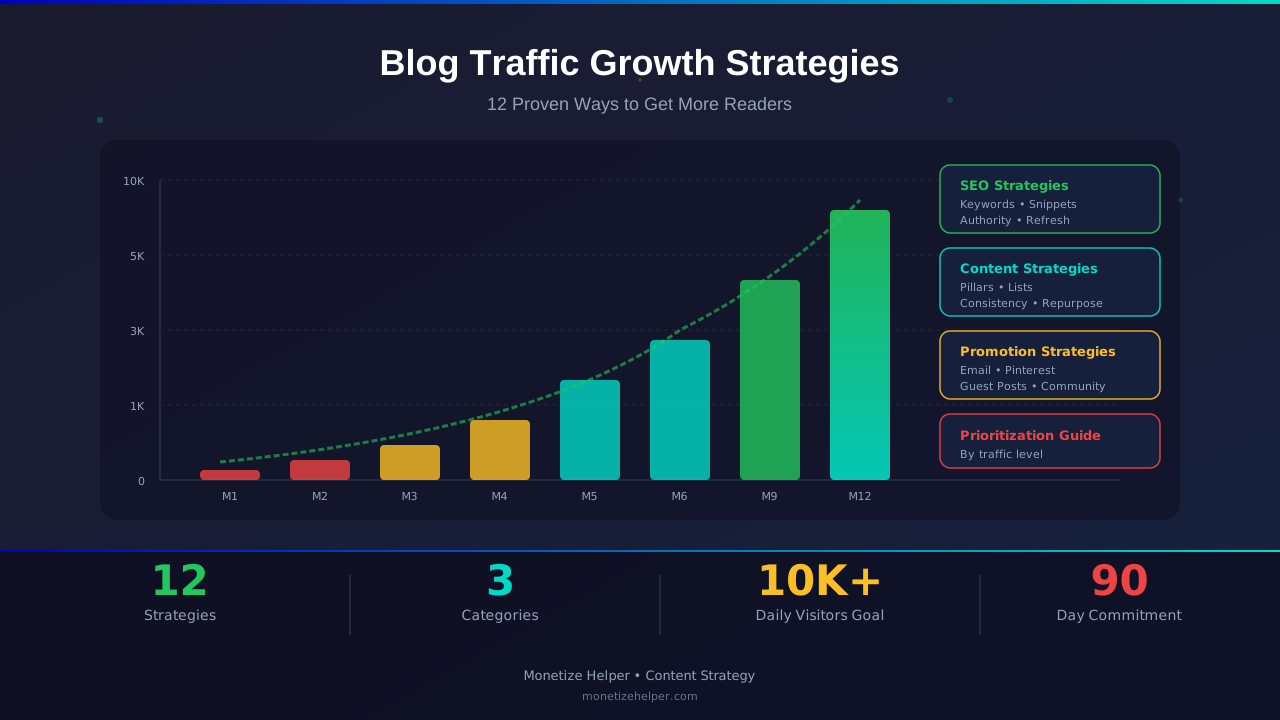
Most blogs see meaningful traffic within 3-6 months of consistent publishing and SEO work. The first month is usually the slowest. Stick with it — traffic growth is exponential.
Which strategy gives the fastest results?
Content refreshing and social media sharing give the quickest boosts. But for sustained growth, SEO-based strategies like long-tail keywords and topical authority deliver the most traffic over time.
How many blog posts do I need per week?
2-4 quality posts per week is ideal for growing blogs. But one great post per week beats five mediocre ones. Focus on quality first, then increase frequency.
Should I focus on Google or social media for traffic?
Google delivers more consistent, long-term traffic. Social media traffic spikes and fades. Build for Google first, then use social media to amplify your best content.
Start Growing Your Traffic Today
Pick 2-3 strategies from this list and commit to them for 90 days. Don't try everything at once — that leads to burnout and half-done efforts. Focus, measure, and adjust.
The bloggers who grow fastest are the ones who publish consistently, optimize for search, and promote strategically. You have 12 proven strategies. Now pick yours and get started.
Next steps: Check your current SEO performance with our Content Analyzer, then read our keyword research guide to find your first batch of target keywords.