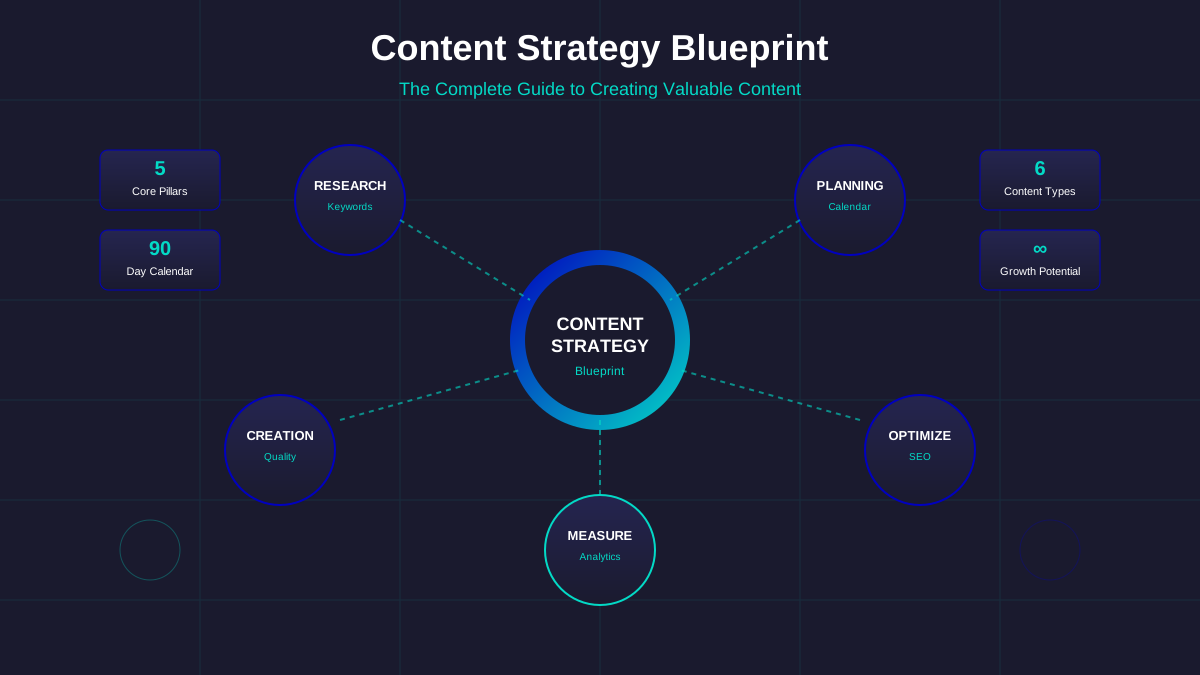
A content calendar is not merely a scheduling tool—it is the backbone of a successful content strategy that drives consistent traffic, engages your audience, and maximises your AdSense revenue potential. Without a proper editorial calendar, bloggers often find themselves publishing sporadically, missing seasonal opportunities, and struggling to maintain the content quality that AdSense reviewers and readers alike demand.
In this comprehensive guide, I shall provide you with a complete content calendar framework specifically designed for bloggers pursuing AdSense monetization. We shall explore not only how to plan your content but how to strategically align your publishing schedule with revenue opportunities throughout the year.
Why Content Calendars Matter for AdSense Publishers
The difference between bloggers who achieve sustainable AdSense income and those who struggle often comes down to consistency and strategic planning. Here is why a content calendar transforms your blogging approach:
Consistency Builds Authority
Google's algorithms favour websites that publish content regularly. When you maintain a consistent publishing schedule, search engines crawl your site more frequently, index your content faster, and trust your domain as a reliable information source. This directly impacts your organic traffic—the lifeblood of AdSense earnings.
Strategic Topic Clustering
Random topic selection leads to scattered authority signals. A content calendar enables you to plan topic clusters that establish your expertise in specific areas. When you publish interconnected articles that comprehensively cover a subject, you build topical authority that search engines reward with higher rankings.
Seasonal Revenue Optimisation
AdSense CPM rates fluctuate significantly throughout the year. Q4 rates (October through December) can be 2-4 times higher than Q1 rates. A content calendar allows you to prepare evergreen content that attracts traffic during high-CPM periods, maximising your revenue without additional effort.
Publisher Insight
Publishers who follow a content calendar report 47% higher page views and 34% better AdSense earnings compared to those who publish randomly. Consistency is not optional—it is essential for monetization success.
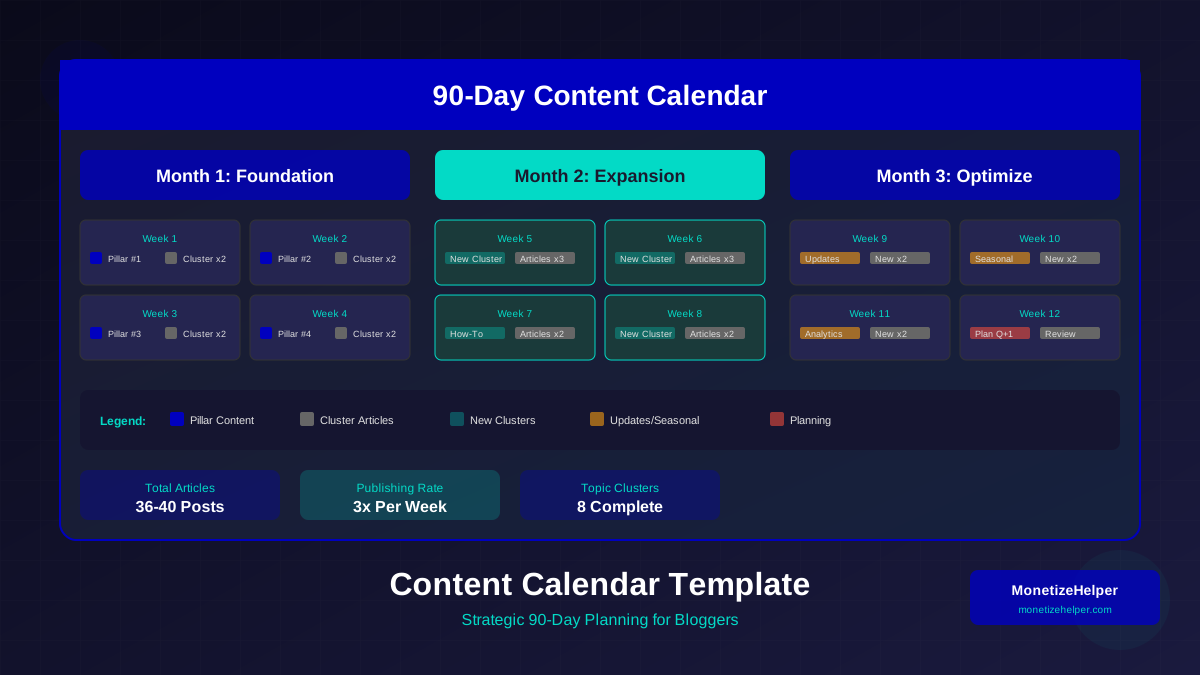
The 90-Day Content Calendar Framework
Our framework divides your planning into three distinct phases, each serving a specific purpose in your content strategy:
Month 1: Foundation Building
The first month establishes your content foundation. Focus on creating pillar content—comprehensive, authoritative articles that serve as the cornerstone of your topic clusters. These pieces typically range from 2,500 to 4,000 words and cover topics extensively.
Week 1-2 Goals:
For more on this topic, see our guide on Blog Traffic Growth Strategies: 12 Proven Ways to Get More Readers in 2026 →
- Create 2 pillar articles in your primary niche
- Publish 4 supporting cluster articles linking to pillars
- Establish your internal linking structure
- Set up content tracking spreadsheet
Week 3-4 Goals:
- Create 2 additional pillar articles
- Publish 4 more supporting articles
- Begin outreach for backlinks
- Analyse initial traffic patterns
Month 2: Strategic Expansion
With your foundation established, month two focuses on expanding your content reach. Introduce new topic clusters whilst strengthening existing ones. This phase emphasises variety and depth.
During this month, you should also begin targeting long-tail keywords that your initial content research revealed. These lower-competition terms often drive qualified traffic that converts well for AdSense.
Month 3: Optimisation and Refinement
The third month shifts focus from creation to optimisation. During this phase, ensure your evergreen content is performing well and driving consistent traffic. Analyse your Google Analytics and Search Console data to identify top performers. Update these articles with fresh information, improved formatting, and additional sections that target related keywords.
Content Calendar Template Structure
Your content calendar should track the following elements for each piece of content:
Essential Tracking Fields
Weekly Planning Process
Effective content calendar management requires a structured weekly review process. Here is our recommended approach:
Sunday: Week Ahead Review
Spend 30 minutes reviewing the upcoming week's content plan. Confirm topics, check that research materials are gathered, and ensure any visuals or media are prepared. This prevents Monday morning scrambles that lead to rushed, low-quality content.
Learn more in SEO Content Writing Guide: How to Write Articles That Rank and Convert →
Wednesday: Mid-Week Assessment
Evaluate progress against your publishing schedule. If you are falling behind, determine whether to adjust upcoming content or allocate additional time. Flexibility is essential, but accountability matters.
Friday: Performance Review
Analyse the week's published content performance. Check initial traffic, engagement metrics, and any technical issues. Document learnings for future content planning.
Generating Content Ideas for Your Calendar
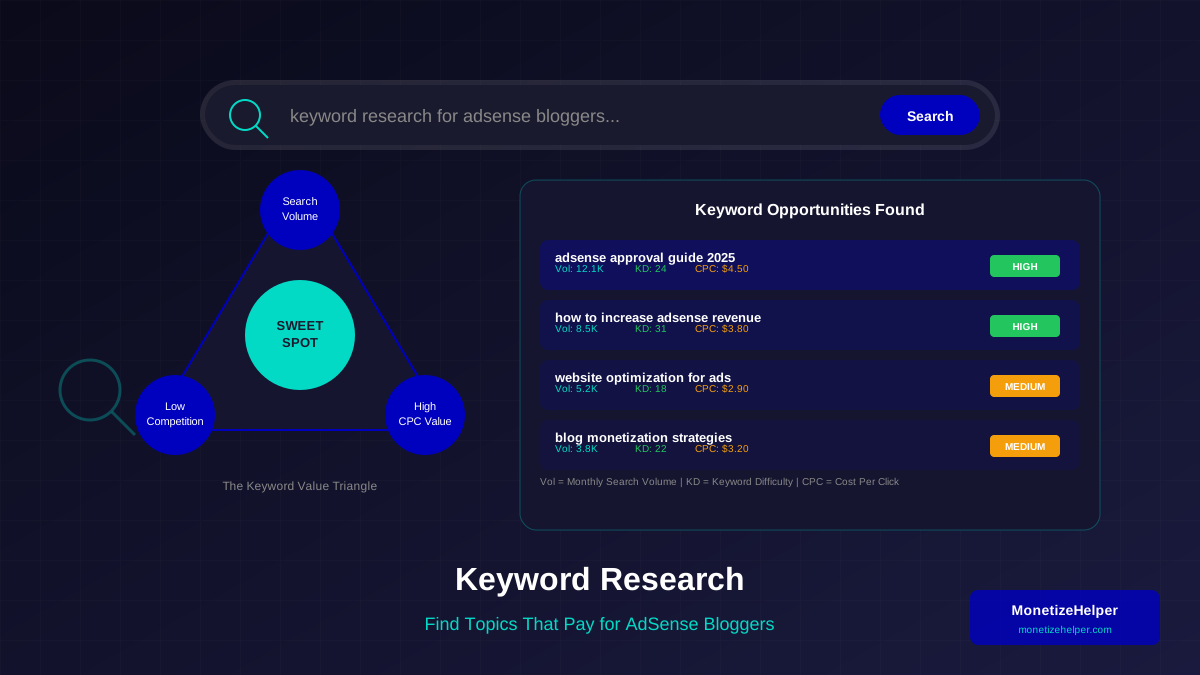
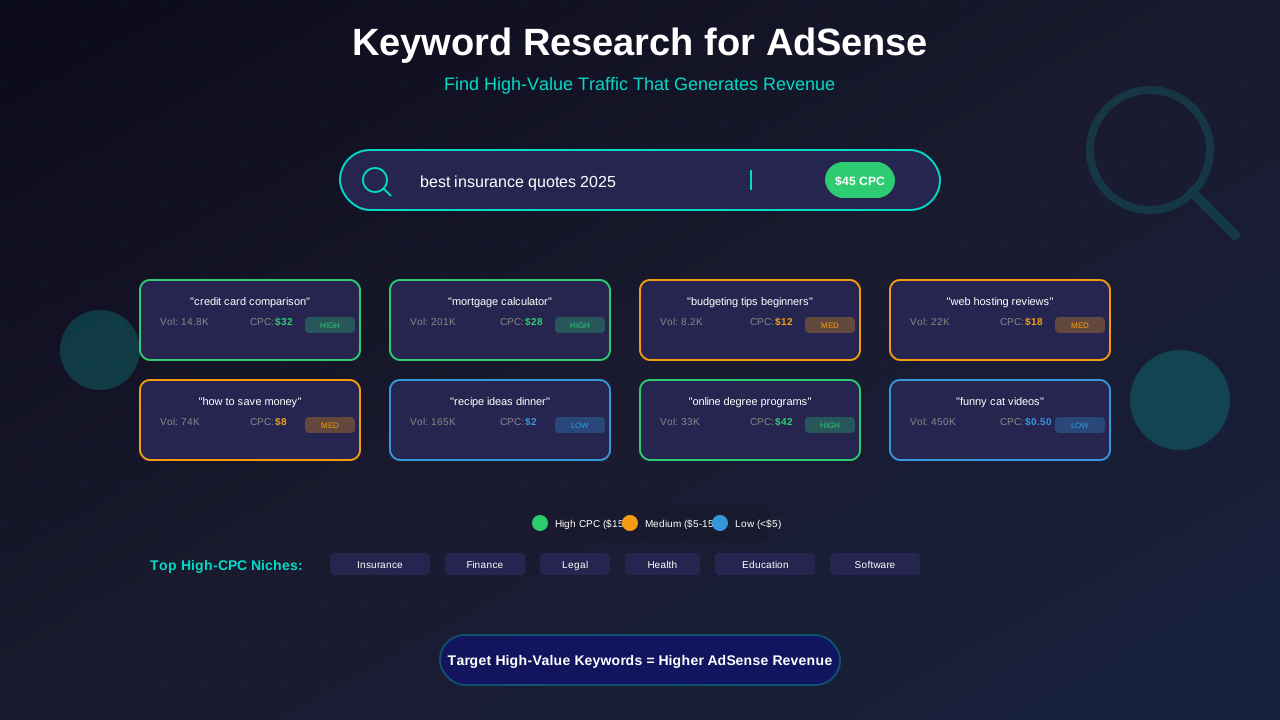
A common challenge bloggers face is filling their content calendar with valuable topic ideas. Proper keyword research is essential for identifying topics with traffic potential. Here are proven methods for generating a steady stream of content concepts:
Answer the Public Method
Use tools like AnswerThePublic, AlsoAsked, or Google's "People Also Ask" feature to discover questions your audience is asking. Each question represents a potential article that addresses specific user intent—exactly what Google wants to rank and what generates engaged visitors who interact with ads.
Competitor Gap Analysis
Analyse competitors in your niche to identify topics they have covered that you have not. Use tools like Ahrefs, SEMrush, or even manual research to find content gaps. Prioritise topics where you can provide superior value or a unique perspective.
Seasonal Content Mapping
Create a master list of seasonal events, holidays, and industry occasions relevant to your niche. Plan content 4-6 weeks ahead of these dates to ensure adequate indexing time before peak search interest.
Seasonal Planning Tip
For Q4 (highest CPM rates), begin publishing Christmas, Black Friday, and year-end content by mid-October. Content needs 4-8 weeks to gain ranking momentum. Publishers who plan ahead capture significantly higher Q4 revenue.
For more on this topic, see our guide on Content Localization Strategy: Reach Global Audiences & Boost Revenue →
Content Batching Strategy
Content batching—grouping similar tasks together—dramatically increases your productivity and content quality. Here is how to implement batching in your workflow:
Research Batching
Dedicate one day per week to researching multiple articles simultaneously. Gather statistics, quotes, examples, and reference materials for all upcoming content. This eliminates the context-switching that occurs when you research each piece individually.
Writing Batching
When you enter a writing flow state, maximise it by drafting multiple articles in one session. Focus on producing high-value content that meets Google's quality standards. Many successful bloggers write 2-4 draft posts in a single focused day, then edit and polish them throughout the week.
Image and Media Batching
Create featured images, infographics, and supplementary visuals for multiple posts at once. This maintains visual consistency across your content whilst reducing the time spent switching between writing and design tools.
Content Calendar Tool Options
Select a calendar tool that matches your workflow complexity and team size:
Spreadsheet Solutions
Google Sheets or Microsoft Excel provide free, flexible content calendar options. Our downloadable template uses Google Sheets for easy collaboration and automatic cloud backup. Spreadsheets excel for solo bloggers and small teams who need customisation without complexity.
Project Management Platforms
Tools like Trello, Notion, or Asana offer more sophisticated content management with features like card-based workflows, assignment capabilities, and deadline reminders. These work well when managing multiple contributors or complex publishing schedules.
Related reading: AI Content and AdSense: How to Use AI Safely Without Getting Banned →
Dedicated Editorial Calendars
Platforms like CoSchedule, Loomly, or ContentCal provide purpose-built editorial calendar features including social media integration, analytics, and team collaboration. These premium options suit established blogs with consistent revenue to reinvest.
Integrating AdSense Strategy Into Your Calendar
Your content calendar should directly support your monetization goals. Here is how to align content planning with AdSense revenue optimisation:
High-CPM Season Preparation
Mark high-CPM periods (Q4, back-to-school, major shopping events) in your calendar. Plan to publish your highest-quality, most commercial content 6-8 weeks before these periods to ensure ranking and traffic capture.
Commercial Intent Content Mix
Balance informational content with commercial-intent articles. Posts about product comparisons, buying guides, and tool recommendations typically generate higher RPM than purely informational content. Aim for a 70/30 mix of informational to commercial content.
Ad Placement Optimisation Schedule
Include regular ad placement review sessions in your calendar—perhaps monthly or quarterly. As your content library grows and traffic patterns evolve, your optimal ad placements may change.
Measuring Calendar Effectiveness
Track these key performance indicators to evaluate your content calendar's impact:
- Publishing Consistency Rate: Percentage of planned content actually published on schedule
- Traffic Growth Rate: Month-over-month organic traffic improvement
- Content Velocity: Number of quality articles published per month
- Revenue Per Article: Average AdSense earnings generated per published piece
- Indexing Speed: Average time from publication to Google indexing
Common Content Calendar Mistakes to Avoid
Even with a calendar in place, bloggers often make mistakes that undermine their content strategy:
Learn more in Featured Snippets Optimization: Boost Traffic and Revenue Fast →
Over-Ambitious Scheduling
Starting with daily publishing when you can realistically manage weekly posts leads to burnout and quality degradation. Begin conservatively and scale up as your processes mature.
Ignoring Analytics Feedback
A content calendar should evolve based on performance data. If certain topics consistently underperform, adjust your future planning accordingly. Rigid adherence to a failing plan wastes resources.
Neglecting Content Updates
Your calendar should include time for updating existing content, not just creating new pieces. Outdated articles lose rankings and user trust. Schedule quarterly reviews of your top-performing content.
Frequently Asked Questions
How many blog posts should I publish per week?
For new blogs seeking AdSense approval and initial traffic growth, aim for 2-3 quality posts per week. Quality always trumps quantity—one excellent 2,000-word article provides more value than five rushed 400-word posts. Adjust based on your available time and resources.
Should I publish content on specific days?
Research suggests Tuesday through Thursday typically see higher engagement, but your specific audience may differ. Monitor your analytics to identify when your readers are most active, then schedule publications accordingly.
How far ahead should I plan my content?
A 90-day rolling calendar provides the optimal balance between strategic planning and flexibility. Plan the upcoming month in detail, the second month in outline, and the third month in general themes. This allows responsive adjustment whilst maintaining direction.
What if I fall behind on my content calendar?
First, assess why you fell behind—was the schedule too ambitious, or did unexpected circumstances interfere? Adjust future planning accordingly. Do not attempt to "catch up" by rushing content; instead, revise your calendar to reflect realistic capacity moving forward.
Can I reuse content calendar ideas that did not perform well?
Absolutely—but reimagine them rather than republish identically. Perhaps the timing was wrong, the angle was off, or the keyword targeting missed the mark. Analyse what went wrong, then approach the topic differently with a revised strategy.
Conclusion: Your Path to Consistent Publishing
A content calendar transforms chaotic, reactive blogging into strategic, revenue-focused content creation. By implementing the framework and template provided in this guide, you establish the foundation for consistent publishing, improved search rankings, and optimised AdSense earnings.
Remember that your content calendar is a living document. Review and refine it regularly based on performance data and evolving goals. The bloggers who achieve sustainable monetization success are those who plan strategically, execute consistently, and adapt intelligently.
Download our free content calendar template and begin planning your next 90 days of high-value content today. Your future AdSense earnings depend on the content you plan and create now.