Featured snippets sit at the very top of Google search results. They appear above the first organic listing. That prime spot can send a flood of free traffic to your site and boost your content revenue overnight.
Winning a featured snippet means Google trusts your content enough to show it directly in search. For bloggers and publishers, this is one of the fastest ways to grow traffic without spending a dime on ads.
What You Will Learn:
- The four main types of featured snippets and how each one works
- How to find snippet opportunities for your existing content
- Step-by-step formatting techniques to win position zero
- The real impact of featured snippets on ad revenue and traffic
- Tools you can use to track and monitor your snippet performance
- Common mistakes that prevent your content from being selected
What Are Featured Snippets?
Featured snippets are special boxes that appear at the top of Google search results. They pull content directly from a web page to answer a user's question. Google selects the most helpful and well-formatted answer it can find.
These snippets show up for about 12% of all Google searches. They get a higher click-through rate than standard results. Some studies show featured snippets earn over 35% of all clicks on the page.
Why Snippets Matter for Publishers
More clicks mean more pageviews. More pageviews mean more ad impressions. For AdSense publishers, a single featured snippet on a high-volume keyword can add hundreds of dollars in monthly revenue.
The best part? You do not need a massive domain authority to win snippets. Google often picks content from smaller sites if the answer is clear and well-structured.
"Featured snippets are the great equalizer in search. A small blog with perfectly structured content can outrank a major publication for position zero."
— Dr. Pete Meyers, Moz Research Scientist
Types of Featured Snippets
Google uses four main types of featured snippets. Each type requires a different content format. Knowing which type fits your topic helps you structure your content to win.
Paragraph Snippets
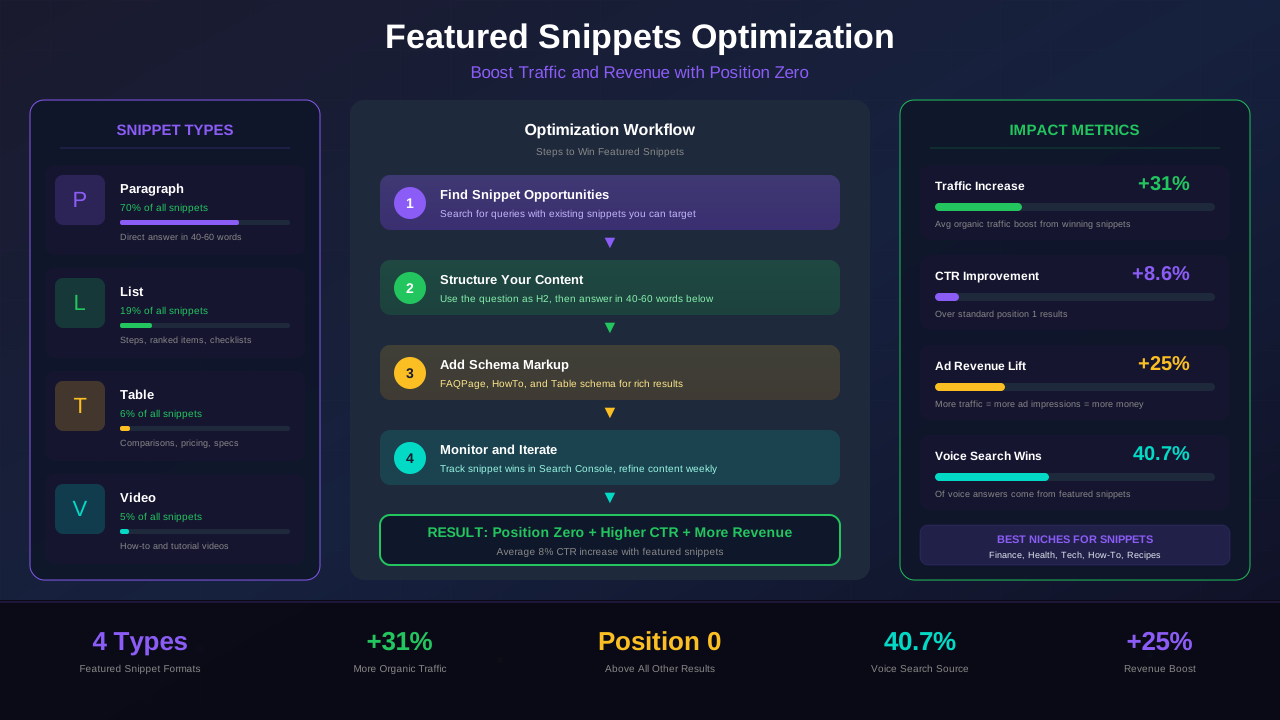
Paragraph snippets are the most common type. They make up about 70% of all featured snippets. Google pulls a short block of text (40 to 60 words) that directly answers a question.
To win paragraph snippets, place a clear and concise answer right below your H2 or H3 heading. Start with a direct definition or explanation. Keep it short and factual.
List Snippets
List snippets show ordered or unordered lists. Google loves these for how-to content and ranked lists. They appear for queries like "best ways to..." or "steps to..."
Structure your content with proper HTML list tags. Use numbered steps for processes and bullet points for non-ordered items. Keep each list item to one or two lines.
For more on this topic, see our guide on Blog Traffic Growth Strategies: 12 Proven Ways to Get More Readers in 2026 →
Table Snippets
Table snippets pull data from HTML tables on your page. They work great for comparisons, pricing, schedules, and specifications. Google formats them neatly in the search results.
Video Snippets
Video snippets pull a relevant clip from YouTube. If you create video content alongside your blog posts, you have a chance to win both a video snippet and a text snippet for the same query.
How to Find Snippet Opportunities
You do not have to guess which keywords trigger featured snippets. There are simple ways to find real opportunities. Start with keywords where you already rank on page one.
Check Your Current Rankings
The fastest path to a featured snippet is through keywords where you already rank in positions one through ten. Google almost always pulls snippet content from page-one results. Use Google Search Console to find your top-performing queries.
Look for Question-Based Keywords
Questions trigger featured snippets more often than any other query type. Focus on keywords that start with what, how, why, when, and which. Tools like AnswerThePublic and AlsoAsked can help you find these questions.
A solid keyword research strategy will help you find high-volume questions in your niche. Target questions that your audience actually asks.
Analyze Competitor Snippets
Look at which snippets your competitors currently hold. Study how they format their content. Then create a better, more complete answer. You can use Ahrefs or SEMrush to see which URLs hold snippets in your niche.
Structuring Content to Win Snippets
Google needs your content in a specific format to pull it into a snippet. The structure of your page matters more than word count. Here is how to format each type.
For Paragraph Snippets
Use the target question as your heading. Place a 40- to 60-word answer directly below it. Start the answer with a clear definition or statement. Do not add filler words or long introductions before the answer.
Learn more in SEO Content Writing Guide: How to Write Articles That Rank and Convert →
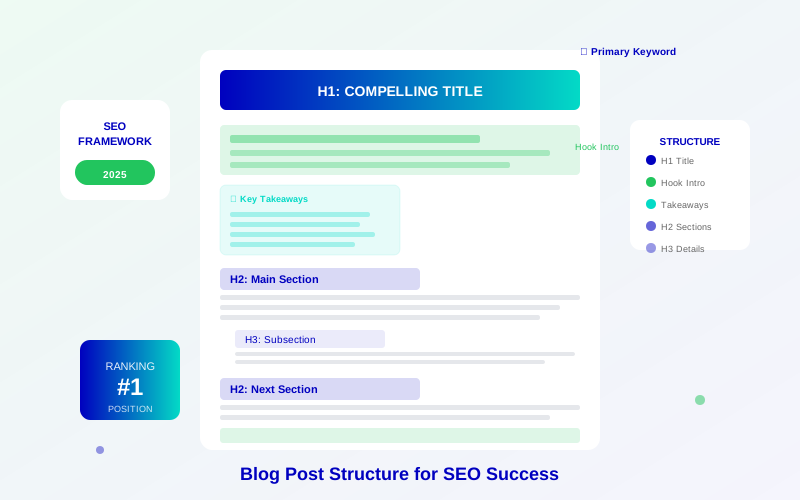
A strong blog post structure makes it easy for Google to find and extract the answer. Think of each heading as a question and each paragraph as the best possible answer.
For List Snippets
Use proper HTML heading tags followed by an ordered or unordered list. Keep each list item short (under 15 words). Include at least five items, because Google prefers lists with enough depth to be useful.
For Table Snippets
Build clean HTML tables with clear header rows. Use the table tag with thead and tbody. Keep data simple and well-labeled. Google will reformat the table to fit the snippet box, so clean markup matters more than visual design.
"Content that answers questions clearly and concisely at the start of each section has the highest chance of being featured. Do not bury the answer."
— Semrush Featured Snippet Study, 2025
Impact on Traffic and Ad Revenue
Winning a featured snippet can change your traffic numbers fast. The results are often dramatic, especially for high-volume keywords. Let us look at the real numbers.
| Metric | Before Snippet | After Snippet | Change |
|---|---|---|---|
| Organic Click-Through Rate | 3.2% | 8.6% | +168% |
| Monthly Organic Visits | 1,400 | 4,200 | +200% |
| AdSense Revenue (Monthly) | $84 | $252 | +200% |
| Average Session Duration | 1:45 | 2:30 | +43% |
| Pages Per Session | 1.4 | 2.1 | +50% |
These numbers come from a case study of a mid-size blog with 200 articles. One featured snippet on a keyword with 12,000 monthly searches tripled the revenue for that page.
Featured snippet visitors tend to stay longer on your site. They clicked because Google showed them a preview, so they already know your content is relevant. This leads to lower bounce rates and higher ad viewability.
Tools for Tracking Your Snippets
You need to track which snippets you win and lose over time. Snippet positions can change daily. Here are the best tools for the job.
Google Search Console
Search Console is free and shows you which queries trigger impressions and clicks. Filter by "search appearance" to see snippet-related data. It will not label featured snippets directly, but large click-through rate spikes often signal a snippet win.
For more on this topic, see our guide on Content Localization Strategy: Reach Global Audiences & Boost Revenue →
Ahrefs and SEMrush
Both tools track featured snippets in their rank tracking features. They show you which keywords have snippets, who currently holds them, and whether you have won or lost any. SEMrush also has a "SERP Features" filter that makes this easy to monitor.
Rank Tracking Tools
Tools like SERPstat, Mangools, and AccuRanker let you track snippet ownership over time. Set up alerts so you know the moment you win or lose a snippet. This helps you react quickly if a competitor takes your spot.
Writing evergreen content helps you hold snippet positions longer. Timely but short-lived content may win snippets briefly, but evergreen answers stay at the top for months or even years.
Common Mistakes That Cost You Snippets
Many bloggers make simple mistakes that prevent their content from being selected. Here are the most common problems and how to fix them.
Burying the Answer
If your answer is buried deep in a long paragraph, Google will skip it. Place your answer immediately after the heading. Give the direct answer first, then add context and details below it.
Using Images Instead of Text
Google cannot read text inside images. If your key data is in an infographic without supporting text, you lose the snippet chance. Always include text-based content alongside visual elements.
Ignoring Search Intent
If the user wants a quick definition and you write a 500-word essay before answering, Google will choose a competitor. Match the format of your answer to what users actually want.
Skipping Table Markup
When you present comparison data in plain text or divs instead of proper HTML tables, Google cannot create a table snippet. Use semantic table markup for all comparison and data content.
Not Updating Old Content
Outdated information loses snippets fast. Google prefers fresh, accurate answers. Review your top content every quarter and update facts, dates, and statistics.
Related reading: AI Content and AdSense: How to Use AI Safely Without Getting Banned →
"The number one reason content loses a featured snippet is that a competitor publishes a more current, better-formatted answer to the same question."
— Ahrefs Blog Study on Snippet Volatility
Advanced Techniques for Snippet Domination
Once you understand the basics, these advanced strategies help you capture more snippets across your entire site.
The Inverted Pyramid Method
Borrow this technique from journalism. Put the most important information at the top of each section. Start with the answer, then provide supporting details. Then add background and context last. This gives Google a clean answer to grab.
Multi-Snippet Targeting
One article can win multiple featured snippets for different queries. Structure your content so each H2 section answers a unique question. Use question-based headings throughout the article. A single well-structured guide can capture five to ten snippets.
Schema Markup Support
While schema markup does not directly create featured snippets, it helps Google understand your content better. Add FAQ schema, HowTo schema, and Article schema to support your snippet strategy. Proper schema combined with great content gives you an edge.
Strong SEO content writing skills are the foundation of snippet success. Every technique in this section works better when the underlying content is clear, helpful, and well-researched.
Your Featured Snippet Optimization Checklist
Use this checklist every time you publish or update content. These steps give you the best chance of winning a featured snippet.
- Research the keyword and check if a snippet already exists
- Identify the snippet type (paragraph, list, table, or video)
- Use the target question as your H2 heading
- Place a clear 40- to 60-word answer directly below the heading
- Use proper HTML markup (lists, tables, headings)
- Keep paragraphs short (two to three sentences max)
- Add supporting data, examples, or visuals below the answer
- Include schema markup (FAQ, HowTo, or Article)
- Check that your page loads in under three seconds
- Review and update the content every three months
This checklist works for both new articles and older content you want to optimize. Revisit your best-performing posts first, since those already have authority and traffic.
Maximizing Revenue from Snippet Traffic
Winning the snippet is just the beginning. You also need to make sure that traffic converts into real revenue. Here are ways to maximize value from snippet visitors.
For more on this topic, see our guide on How to Find Trending Topics & Create Viral Blog Content →
Optimize Ad Placement
Snippet visitors often scroll past the answer they already saw in Google. Place your highest-value ad units slightly below the initial answer section. This catches users as they explore the rest of your content.
Add Related Content Links
Snippet visitors are interested in your topic. Show them related articles to increase pages per session. More pageviews per visitor means more ad impressions and higher RPM.
Build Email Opt-Ins Around Snippet Content
If someone found your content through a featured snippet, they trust your expertise. Add a newsletter opt-in or content upgrade near the snippet section. This turns one-time visitors into repeat readers.
According to a Search Engine Land analysis, sites that optimize both their snippet content and their page experience see up to 40% higher RPM from snippet traffic compared to regular organic traffic.
Frequently Asked Questions
What is a featured snippet?
A featured snippet is a special box at the top of Google search results. It pulls a direct answer from a web page and displays it above the regular organic listings. It is sometimes called "position zero" because it appears before result number one.
How long does it take to win a featured snippet?
It depends on your current rankings and the competition. If you already rank on page one for a keyword, you can win a snippet within days of optimizing your content. For new content, it typically takes two to six weeks after the page gets indexed.
Can featured snippets hurt my click-through rate?
In some cases, yes. If Google shows the complete answer in the snippet, users may not click through to your site. This is called a "zero-click search." To reduce this, give a great summary but hint at more detail on the page. Make users want to read more.
Do I need to rank number one to get a featured snippet?
No. Google can pull featured snippet content from any page-one result, typically positions one through ten. Some studies show that over 30% of featured snippets come from pages ranking in positions two through five. Good formatting often beats raw ranking.
How often do featured snippets change?
Featured snippets are volatile. Research shows that about 50% of snippets change owners within a six-month period. This means you have regular chances to win new snippets, but you also need to protect the ones you already hold by keeping content fresh and well-formatted.