Not all blog content is created equal. Some types naturally attract more traffic, engagement, and revenue than others. Understanding which content types to use—and when—can dramatically improve your blog's performance.
This guide explores the ten content types that consistently drive traffic across niches, with practical advice on creating each effectively.
What You Will Learn:
- 10 proven high-traffic content types
- When to use each type
- How to create them effectively
- Monetization potential of each
- Content mix recommendations
1. How-To Guides
Step-by-step tutorials that teach readers to accomplish specific tasks. According to HubSpot research, how-to content consistently drives organic traffic:
Why They Work
- Match high-intent search queries
- Provide clear value to readers
- Evergreen—relevant for years
- Easy to structure and write
Best Practices
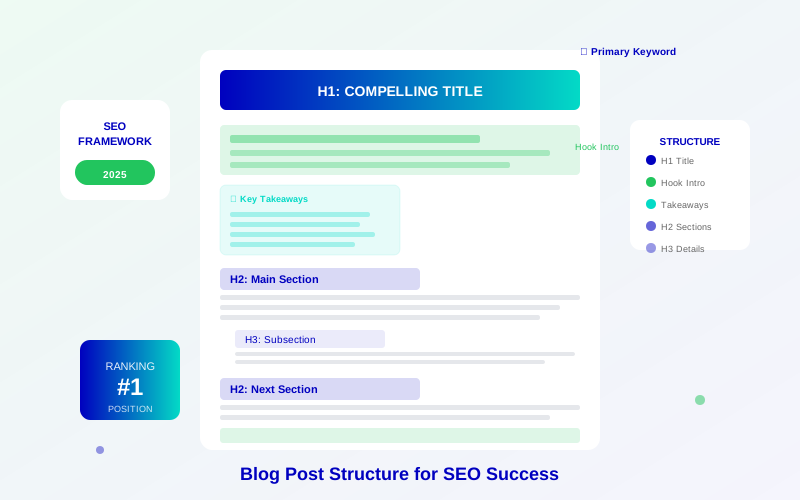
Follow our SEO structure framework for optimal results:
- Use numbered steps
- Include images for each step
- Anticipate common problems
- Start with requirements/prerequisites
Monetization Potential
High. How-to content attracts readers ready to take action, making affiliate links and product recommendations natural fits.
2. List Posts (Listicles)
Content organized as numbered lists—"10 ways to...", "15 best..."
Why They Work
- Easy to scan and consume
- Promise specific value upfront
- Highly shareable on social media
- Attract clicks with clear expectations
Best Practices
- Make each item substantial
- Use odd numbers (they perform better)
- Do not pad with weak items
- Include visuals for each item
Monetization Potential
Medium to high. "Best X" lists work excellently for affiliate marketing. "Tips" lists work well with display ads.
For more on this topic, see our guide on Blog Traffic Growth Strategies: 12 Proven Ways to Get More Readers in 2026 →
3. Ultimate Guides
Comprehensive, in-depth resources covering an entire topic. As Moz notes, these become cornerstone content for SEO:
Why They Work
Ultimate guides are excellent examples of evergreen content that drives sustained traffic:
- Become go-to resources that earn backlinks
- Rank for multiple keywords
- Establish authority and expertise
- Keep readers on site longer
Best Practices
- Cover topic exhaustively (3,000+ words)
- Use detailed table of contents
- Include examples and case studies
- Update regularly to maintain accuracy
Monetization Potential
High. Long content supports multiple ad placements and establishes trust for product recommendations.
4. Product Reviews
Detailed evaluations of products, services, or tools.
Learn more in SEO Content Writing Guide: How to Write Articles That Rank and Convert →
Why They Work
- Target buyers in decision mode
- High commercial intent traffic
- Natural fit for affiliate marketing
- Build trust when done honestly
Best Practices
- Actually use the product when possible (following E-E-A-T guidelines)
- Include honest pros and cons
- Compare to alternatives
- Specify who the product is (and is not) for
Monetization Potential
Very high. Directly connects readers with purchasing decisions.
5. Comparison Posts
Head-to-head comparisons: "X vs Y" content.
Why They Work
- Catch users deciding between options
- Very specific search intent
- High conversion rates
- Lower competition than broader terms
Best Practices
- Be genuinely balanced
- Use comparison tables
- Declare a winner with reasoning
- Explain which is best for which user
Monetization Potential
Very high. Comparison shoppers are close to purchase.
6. Case Studies
Real-world examples showing results, processes, or transformations.
For more on this topic, see our guide on Content Localization Strategy: Reach Global Audiences & Boost Revenue →
Why They Work
- Provide proof and credibility
- Highly shareable and linkable
- Demonstrate expertise practically
- More engaging than pure theory
Best Practices
- Include specific numbers and results
- Explain methodology clearly
- Discuss failures and lessons learned
- Make insights actionable for readers
Monetization Potential
Medium. Better for authority building than direct monetization, but can support related offers.
7. Beginner Guides
Introductory content for newcomers to a topic.
Why They Work
- Large audience of people learning new topics
- Gateway content that builds loyal readers
- Evergreen with consistent traffic
- Often less competitive than advanced topics
Best Practices
- Define all terminology
- Do not assume prior knowledge
- Link to more advanced content
- Be encouraging and supportive in tone
Monetization Potential
Medium. Beginners may have lower buying power but represent large traffic volumes.
8. Resource Compilations
Curated lists of tools, websites, books, or other resources.
Related reading: AI Content and AdSense: How to Use AI Safely Without Getting Banned →
Why They Work
- Save readers research time
- Naturally include affiliate opportunities
- Attract shares and bookmarks
- Easy to update and maintain
Best Practices
- Actually vet each resource
- Organize by category or use case
- Include free and paid options
- Update regularly with new finds
Monetization Potential
High. Natural placement for affiliate links and tool recommendations.
9. Problem-Solution Posts
Content that identifies a problem and provides solutions.
Why They Work
- Match how people search ("how to fix...")
- Provide immediate, practical value
- Often have less competition
- Build trust through helpfulness
Best Practices
- Clearly describe the problem first
- Offer multiple solutions when applicable
- Include troubleshooting for common issues
- Explain why each solution works
Monetization Potential
Medium to high. People with problems are often willing to pay for solutions.
10. Expert Interviews
Q&A content featuring industry experts or successful practitioners.
Learn more in Featured Snippets Optimization: Boost Traffic and Revenue Fast →
Why They Work
- Borrow expert credibility
- Often shared by the interviewee
- Provide unique, original content
- Build relationships in your niche
Best Practices
- Choose relevant, credible experts
- Ask thoughtful, unique questions
- Edit for clarity and readability
- Promote collaboratively
Monetization Potential
Medium. Better for authority building and audience growth than direct monetization.
Recommended Content Mix
Use a content calendar to balance different content types for a healthy blog:
For New Blogs
- 40% How-to guides
- 25% Beginner guides
- 20% List posts
- 15% Other types
For Established Blogs
- 25% How-to guides
- 20% Reviews and comparisons
- 20% Ultimate guides
- 15% List posts
- 10% Case studies
- 10% Other types
Choosing the Right Type
Match content type to your goals:
For Maximum Traffic
- List posts and how-to guides
- Beginner-focused content
- Trending topic coverage
For Best Monetization
- Product reviews
- Comparison posts
- Resource compilations
For Authority Building
- Ultimate guides
- Case studies
- Expert interviews
Frequently Asked Questions
Which content type is best for AdSense?
Longer content types like how-to guides and ultimate guides work best because they support more ad placements and keep readers on page longer.
How often should I publish each type?
Vary your content. If you publish weekly, alternate between 2-3 different types. Monotony bores readers and limits your keyword coverage.
Should I focus on one type only?
No. Different types serve different purposes and attract different audiences. A healthy blog uses multiple content types strategically.
Which type is easiest to create?
List posts are often easiest to structure. How-to guides are straightforward if you know the topic. Ultimate guides require the most effort but deliver the most value.
Can I combine content types?
Absolutely. A "Complete Guide" can include how-to sections, lists, and comparisons. Combining types often creates the most valuable content.