The number one reason AdSense applications get rejected is "low-value content." But what exactly does Google consider "high value"? In this guide, we'll break down exactly what makes content valuable and how to create it consistently.
What is High-Value Content?
High-value content is content that genuinely helps your readers solve problems, learn something new, or make better decisions. It's comprehensive, original, and provides unique insights that can't be found elsewhere.
Characteristics of Valuable Content
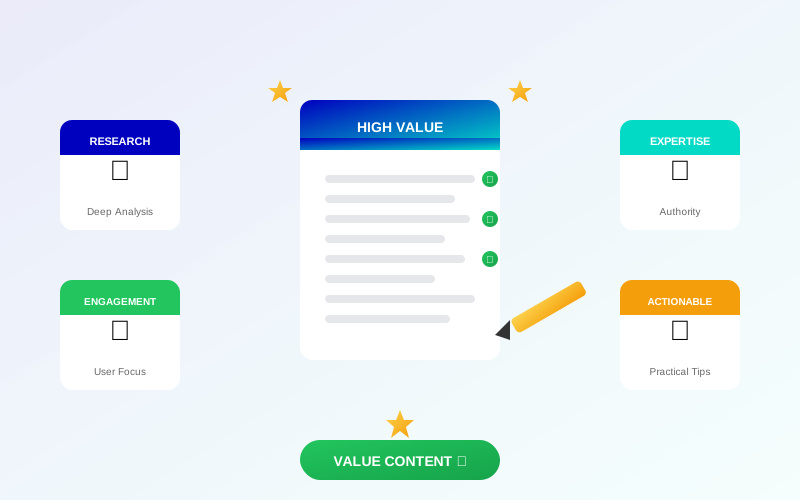
According to Google's helpful content guidelines, high-value content demonstrates:
- Comprehensive: Covers the topic thoroughly
- Original: Offers unique perspectives or information
- Actionable: Readers can apply what they learn
- Well-researched: Backed by facts and sources
- Engaging: Easy and enjoyable to read
Content Length Guidelines
While there's no magic word count, here are general recommendations:
- Blog posts: 1,500-2,500 words for comprehensive coverage
- Guides: 3,000-5,000 words for pillar content
- News/Updates: 500-1,000 words minimum
Structure Your Content Properly
Well-structured content is easier to read and understand. Check out our detailed blog post structure guide for the complete framework. As Yoast SEO recommends:
- Use descriptive headings (H2, H3, H4)
- Break content into scannable sections
- Include bullet points and numbered lists
- Add images, charts, or diagrams when helpful
The Writing Process
1. Research Thoroughly
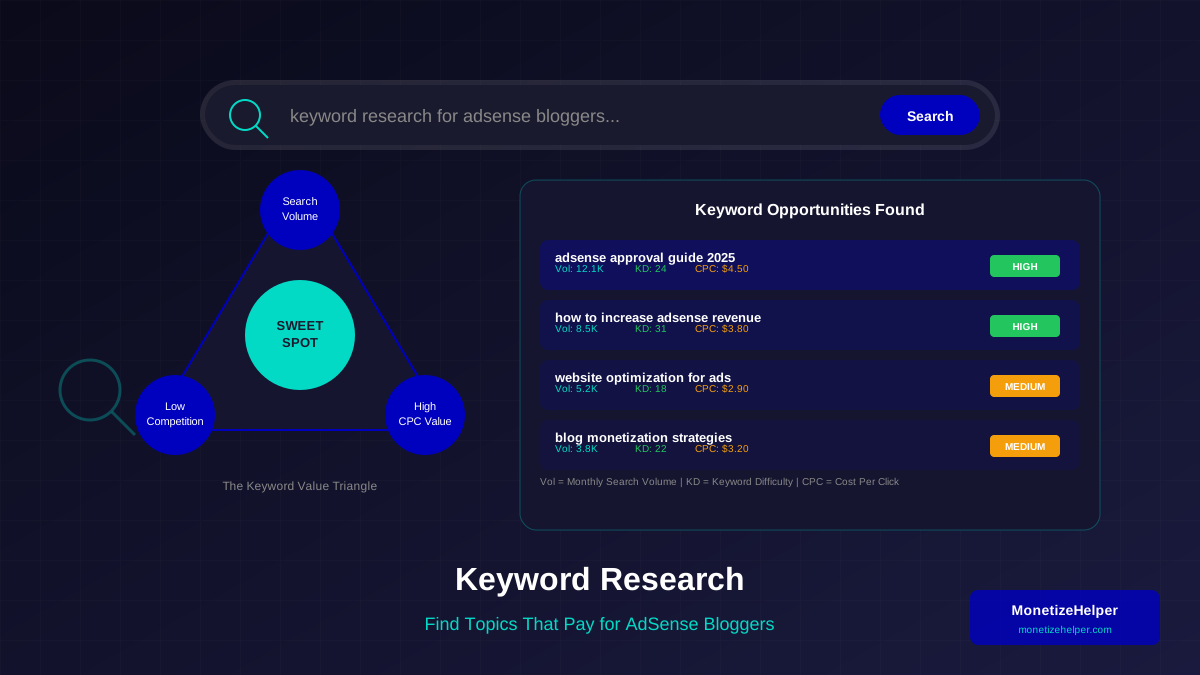
Before writing, spend time understanding your topic deeply. Start with proper keyword research to identify what your audience is searching for. As HubSpot emphasizes, read existing content, identify gaps, and find unique angles.
For more on this topic, see our guide on Blog Traffic Growth Strategies: 12 Proven Ways to Get More Readers in 2026 →
2. Create an Outline
Plan your content structure before writing. This ensures comprehensive coverage and logical flow.
3. Write the First Draft
Focus on getting your ideas down without worrying about perfection. You'll refine it later.
4. Edit and Improve
Review for clarity, accuracy, and readability. Remove fluff and strengthen weak sections.
Learn more in SEO Content Writing Guide: How to Write Articles That Rank and Convert →
5. Add Value Extras
Include downloadable resources, templates, or checklists when appropriate.
Avoid These Common Mistakes
- Writing thin content just to publish frequently
- Copying or heavily paraphrasing existing content
- Keyword stuffing or unnatural writing
- Ignoring user search intent
- Publishing without proofreading
Conclusion
High-value content takes time and effort to create, but it's the foundation of a successful website. Focus on quality over quantity, and your AdSense approval will follow. Once you have published content, use our content audit checklist to identify improvement opportunities.