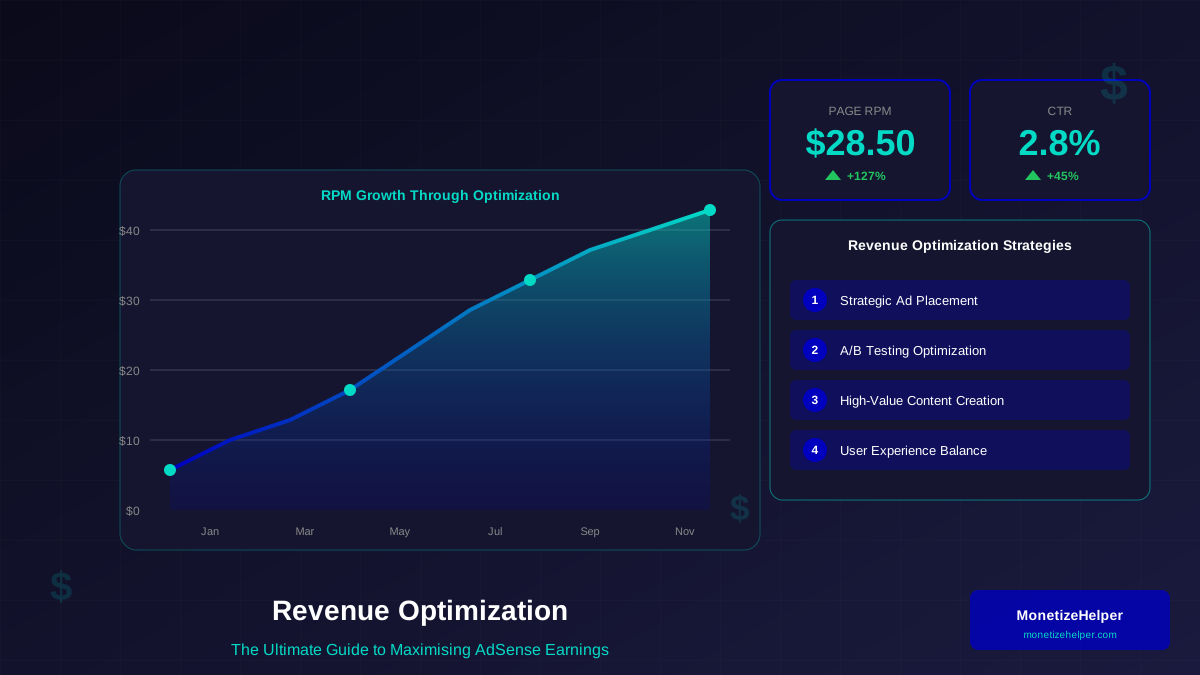
Getting approved for AdSense is just the beginning. To truly monetize your website, you need to optimize for maximum revenue. Here are proven strategies to increase your AdSense earnings.
Understanding AdSense Metrics
Before optimizing, understand these key metrics. For an in-depth comparison, read our guide on CPM vs RPM explained. Google's AdSense Help Center provides detailed definitions:
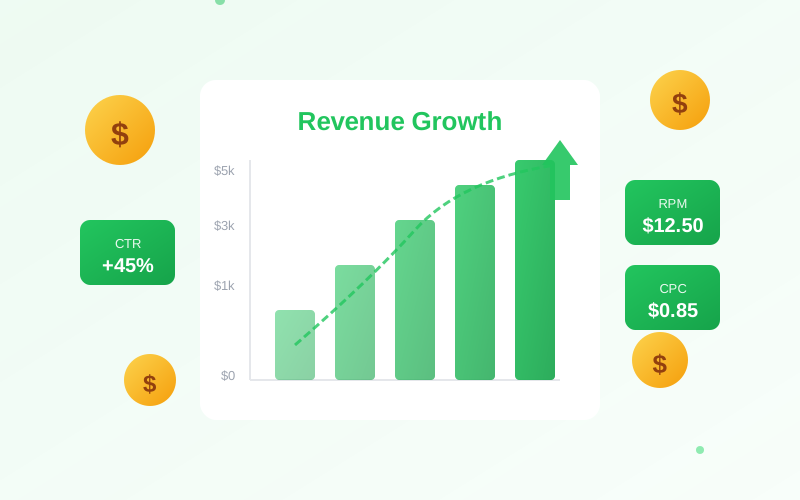
- RPM (Revenue Per Mille): Earnings per 1,000 page views
- CTR (Click-Through Rate): Percentage of ad clicks
- CPC (Cost Per Click): Amount earned per click
- Page Views: Total pages viewed
Ad Placement Strategies
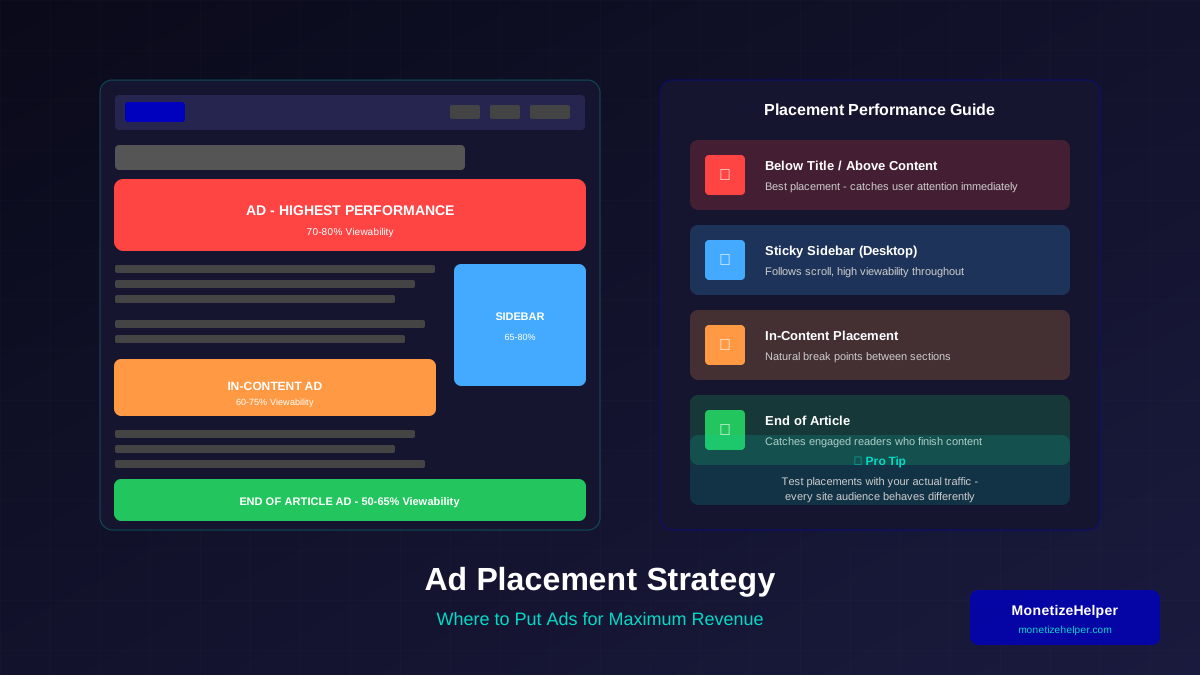
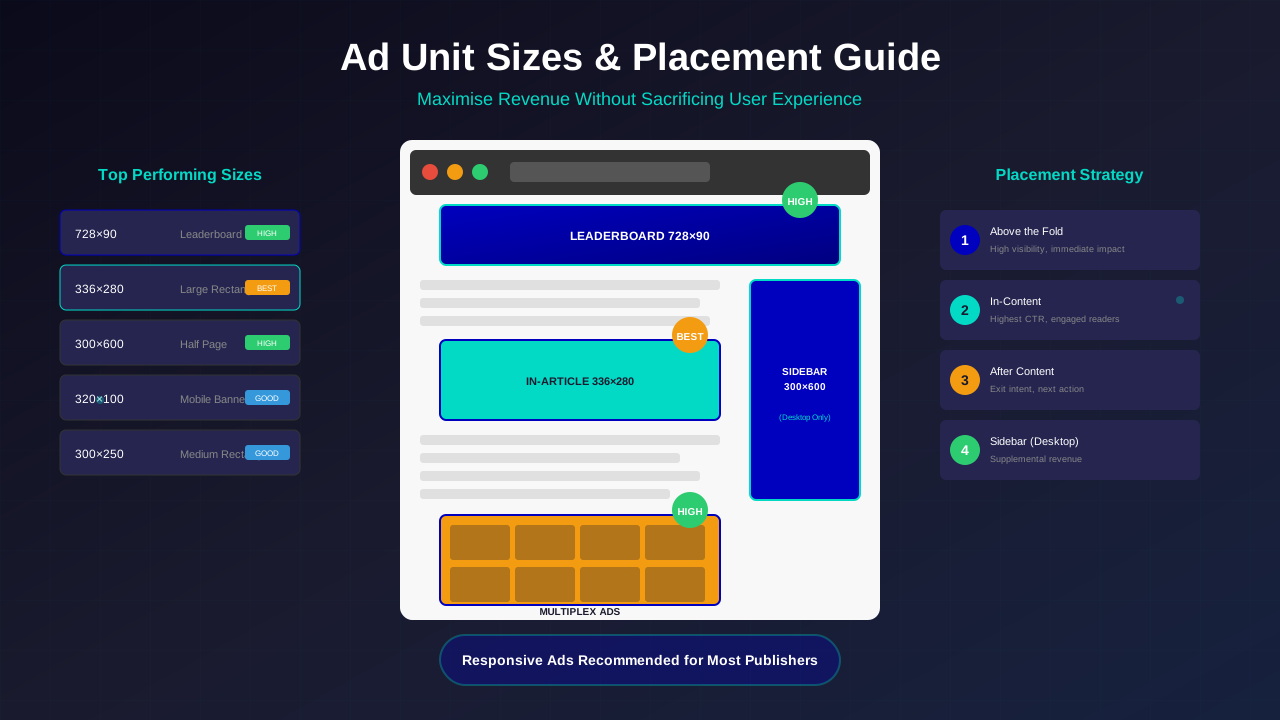
Strategic ad placement is crucial for maximising revenue. For detailed positioning guidance, see our ad placement best practices guide.
Above the Fold
Place at least one ad unit where users see it without scrolling. This typically has the highest visibility.
Within Content
In-content ads perform well because users are engaged when reading. Place ads after 2-3 paragraphs.
End of Article
Users who read to the end are engaged. This is a great spot for additional ads.
For more on this topic, see our guide on Ezoic vs Mediavine: Which Ad Network Pays More in 2026? →
Traffic Optimization
More traffic means more earnings potential:
- Focus on SEO to increase organic traffic using Google Search Console
- Target high-CPC keywords using Google Keyword Planner
- Build an email list for repeat visitors
- Promote content on social media
High-Paying Niches
Some niches pay significantly more per click. Explore our complete list of 15 high-CPC niches that pay the most:
- Finance and insurance
- Legal services
- Technology and software
- Health and wellness
- Real estate
Choosing the Right Ad Formats
Different formats work better in different positions:
Related reading: AdThrive Requirements Guide: What You Need to Join Raptive in 2026 →
- Display ads: Versatile, work almost anywhere
- In-feed ads: Great for blog listings
- In-article ads: Native ads within content
- Anchor ads: Sticky mobile ads
Things to Avoid
- Too many ads that hurt user experience
- Ads that interfere with content
- Encouraging clicks (policy violation)
- Placing ads on thin content pages
Conclusion
Revenue optimization is an ongoing process. Test different strategies, monitor your metrics, and continuously improve based on data.