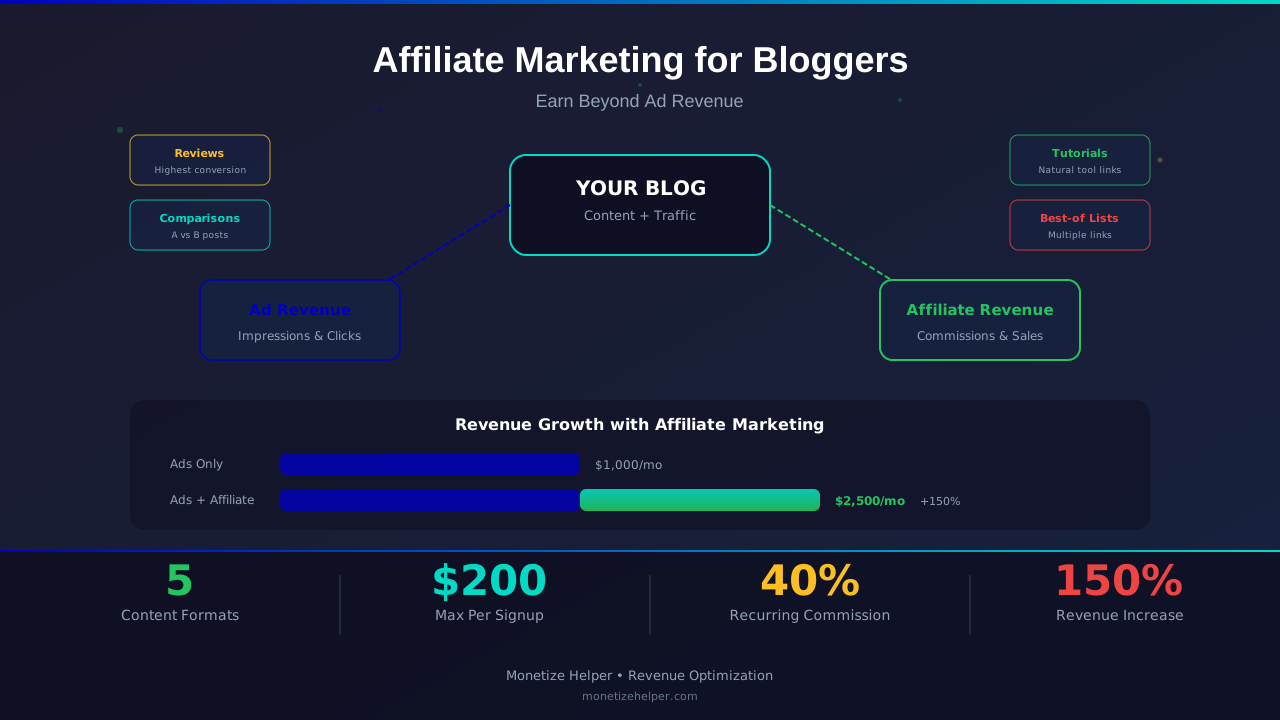
Ad revenue is great, but it shouldn't be your only income stream. Affiliate marketing lets you earn commissions by recommending products your readers already need. Done right, it can double or triple your blog income.
This guide shows you how to start affiliate marketing as a blogger — from picking the right programs to writing content that converts, without hurting your AdSense earnings.
What You'll Learn:
- How affiliate marketing works for bloggers
- How to choose programs that match your niche
- 5 content formats that drive affiliate sales
- How to balance affiliate links with AdSense ads
- Common mistakes that kill affiliate earnings
How Affiliate Marketing Works
You recommend a product. A reader clicks your unique affiliate link. They buy the product. You earn a commission. That's it.
The key difference from ads: you earn based on actions (purchases, signups), not just impressions or clicks. A single affiliate sale can earn more than thousands of ad impressions.
Commission Structures
- Percentage-based: You earn 5-50% of the sale price. Common for physical products (Amazon) and software
- Flat-rate: You earn a fixed amount per sale ($10, $50, $200+). Common for hosting, courses, and SaaS
- Recurring: You earn a commission every month the customer stays subscribed. Best for long-term income
Choosing the Right Affiliate Programs
Don't sign up for every program you find. Be strategic. Ask these questions:
- Does my audience need this? Only recommend products that solve problems your readers actually have
- Have I used it? First-hand experience makes your recommendations genuine and detailed
- What's the commission rate? Balance between rate and conversion likelihood
- What's the cookie duration? Longer cookies (30-90 days) mean more credited sales
- Does the company have a good reputation? Bad products mean refunds and lost trust
Best Affiliate Programs for Bloggers
For any niche:
For more on this topic, see our guide on Ezoic vs Mediavine: Which Ad Network Pays More in 2026? →
- Amazon Associates — low commissions (1-10%) but massive product selection and trusted brand
- ShareASale — thousands of merchants across all niches
- Impact — premium brands with higher payouts
For blogging/tech niches:
- Hosting companies (Bluehost, SiteGround, Cloudways) — $65-200 per signup
- SEO tools (Ahrefs, SEMrush) — recurring 20-30% monthly
- Email marketing (ConvertKit, Mailchimp) — recurring 30% monthly
- WordPress themes and plugins — 20-50% per sale
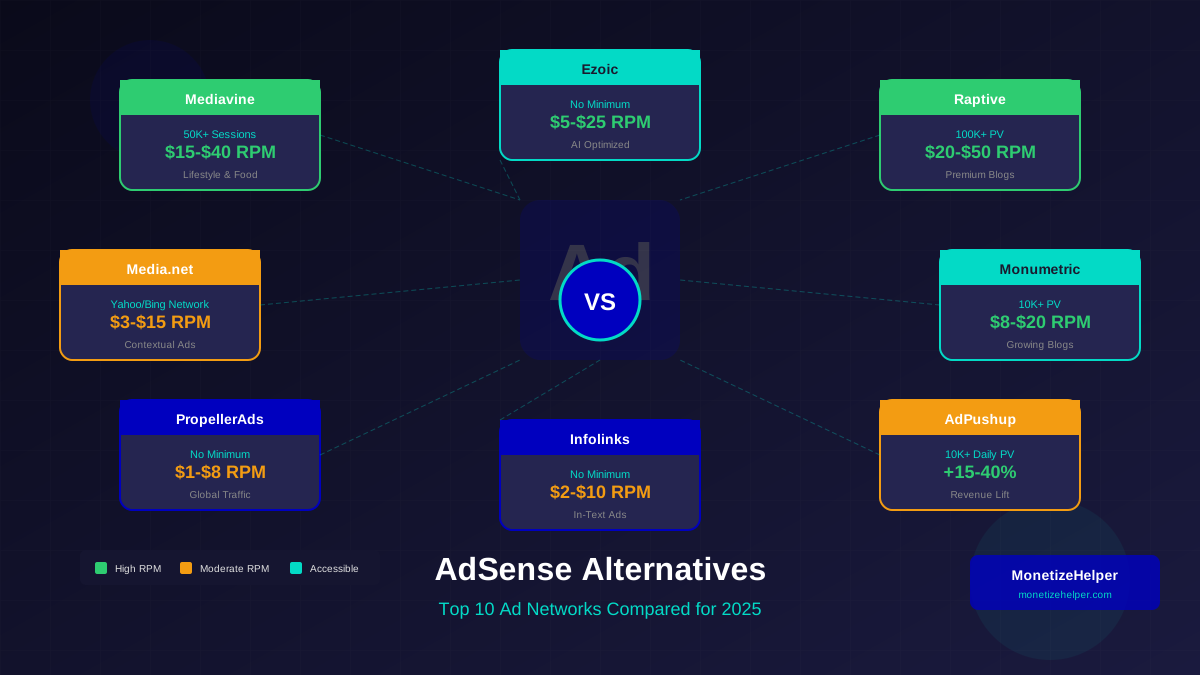
Check our AdSense alternatives guide for more monetization options beyond affiliate marketing.
5 Content Formats That Drive Affiliate Sales
1. Product Reviews
In-depth reviews of products you've actually used. Include pros, cons, screenshots, and your honest verdict. These rank well for "[product name] review" searches and attract buyers ready to purchase.
Related reading: AdThrive Requirements Guide: What You Need to Join Raptive in 2026 →
2. Comparison Posts
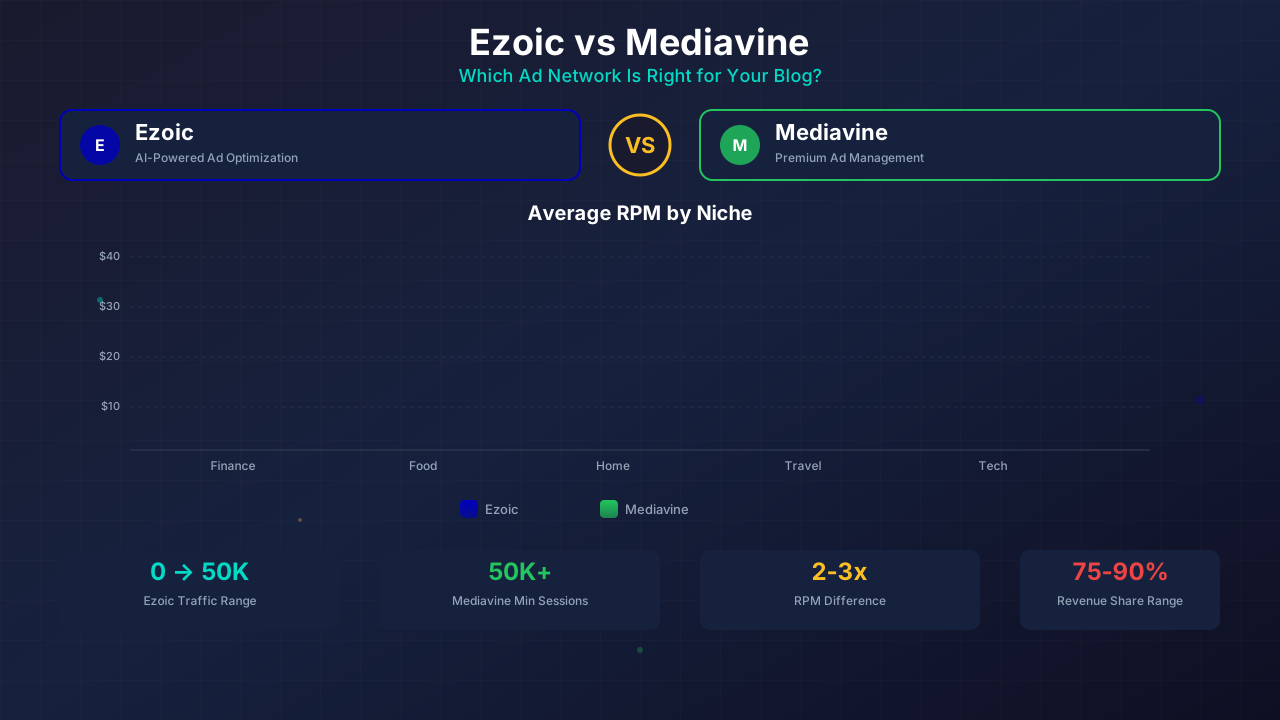
Side-by-side comparisons like "Tool A vs. Tool B" help readers decide between options. Include a recommendation at the end. See our Ezoic vs. Mediavine comparison for an example.
3. Best-of Lists
"10 Best Email Marketing Tools for Bloggers" type posts. Each item includes your affiliate link. These rank for competitive keywords and give readers multiple options.
4. Tutorial Content
"How to Start a Blog" or "How to Set Up Email Marketing" posts naturally include tool recommendations with affiliate links. Readers following your tutorial are highly likely to sign up.
For more on this topic, see our guide on Raptive Requirements Guide: Traffic, Content & Application Tips →
5. Resource Pages
Create a dedicated "Tools I Use" or "Recommended Resources" page. Link to it from your sidebar, footer, and relevant posts. This page becomes a persistent source of affiliate clicks.
Balancing Affiliates with AdSense
The good news: affiliate marketing and AdSense work well together. They don't compete for the same user action. Ads earn from impressions and clicks. Affiliates earn from purchases.
Smart Placement Rules
- Don't overload affiliate links. 3-5 affiliate links per 1,000 words is plenty. More than that feels spammy
- Keep ads in standard positions. Sidebar, in-content, and footer ads don't interfere with affiliate links in your content
- Use affiliate links in buying-intent content. Product reviews and comparisons deserve affiliate links. Informational posts might work better with just ads
- Test both approaches. Some posts earn more from affiliates, others from ads. Let data decide
Our ad placement guide covers optimal AdSense positioning that won't conflict with your affiliate strategy.
Learn more in Mediavine Requirements Guide: How to Qualify and Get Accepted →
7 Mistakes That Kill Affiliate Earnings
- Promoting products you haven't used. Readers can tell. Fake reviews destroy trust
- Too many affiliate links. More links don't mean more sales. They mean lower trust and potentially lower ad RPM
- No disclosure. FTC requires affiliate disclosures. Add them clearly at the top of posts. It's the law, and it builds trust
- Ignoring search intent. Someone searching "what is email marketing" isn't ready to buy. Someone searching "best email marketing tool for bloggers" is
- Only promoting high-commission products. A $200 commission means nothing if the product doesn't convert. Sometimes lower commissions with higher conversion rates earn more
- Not tracking performance. Use your affiliate dashboard analytics. Drop programs that don't convert and double down on ones that do
- Forgetting about existing content. Your older posts still get traffic. Go back and add relevant affiliate links to high-traffic content
Getting Started: Your First 30 Days
Here's a practical action plan to launch affiliate marketing on your blog:
Week 1: Research and Sign Up
- List 5-10 products you already use and recommend
- Check if they have affiliate programs
- Sign up for Amazon Associates as your baseline program
- Apply to 2-3 niche-specific programs
Week 2: Create Your First Content
- Write one in-depth product review (your most-used tool)
- Create a "Recommended Tools" resource page
- Add affiliate disclosures to your site
Week 3: Optimize Existing Content
- Identify your top 10 most-visited blog posts
- Add relevant affiliate links where they fit naturally
- Don't force links — only add them where they genuinely help the reader
Week 4: Plan and Publish
- Write a comparison post (product A vs. product B)
- Plan your next month's affiliate content calendar
- Review first month's data and adjust
Frequently Asked Questions
Can I use affiliate links with AdSense?
Yes. Google allows affiliate links on AdSense pages. Just don't make affiliate links look like ads, and always include proper disclosures. Both can coexist and earn separately.
How much can I earn from affiliate marketing?
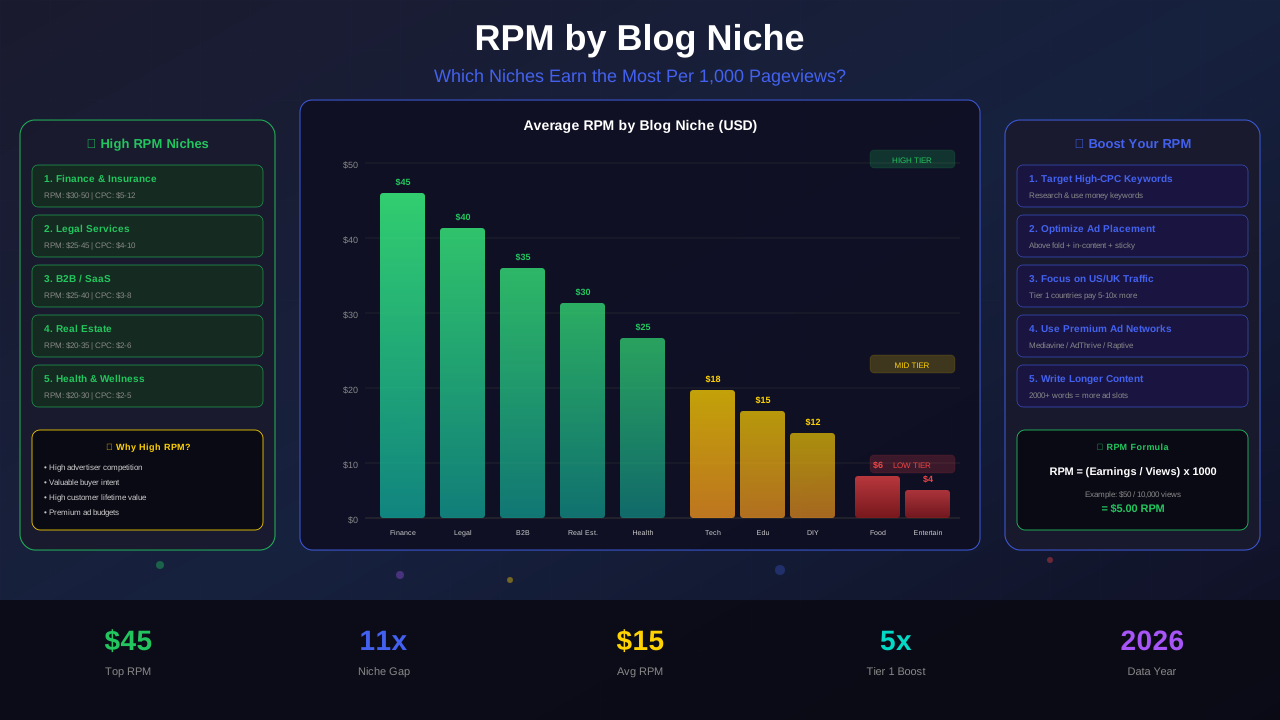
It varies wildly. New bloggers might earn $50-200/month starting out. Established bloggers in profitable niches (finance, tech, health) can earn $5,000-50,000+/month. The key is traffic volume and content quality.
Learn more in RPM by Blog Niche: Which Topics Pay the Most in 2026 →
Do I need a lot of traffic for affiliate marketing?
Not as much as you need for ads. A post getting 500 visits/month can earn well if those visitors have buying intent. Quality and intent matter more than raw numbers.
Should I use affiliate links in every blog post?
No. Only include affiliate links where they naturally fit and genuinely help the reader. Informational posts without product relevance should rely on ad revenue instead.
How do I disclose affiliate links?
Add a clear statement near the top of any post with affiliate links. Something like: "This post contains affiliate links. I may earn a commission if you make a purchase through these links, at no extra cost to you." Keep it honest and visible.
Start Diversifying Your Income Today
Affiliate marketing isn't a replacement for ad revenue — it's a complement. Together, ads and affiliates create a more stable, higher-earning blog business. Start small, be genuine, and grow from there.
The bloggers who earn the most don't rely on a single income stream. They combine ads, affiliates, and eventually their own products into a diversified business.
Next steps: Check our monetization comparison guide for more ways to earn, and use the Content Analyzer to optimize your affiliate content for search.