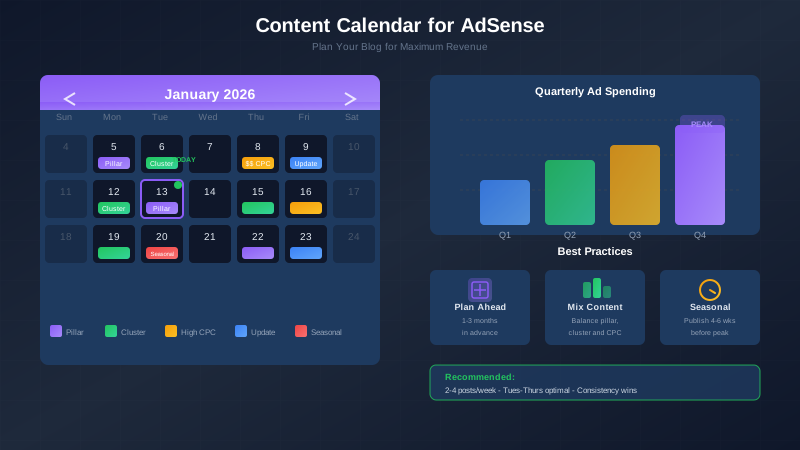
A content calendar transforms random publishing into strategic revenue generation. For AdSense publishers, planning content around traffic patterns and advertiser spending cycles can dramatically increase earnings.
Top-earning publishers do not write randomly. They plan weeks or months ahead, aligning content with seasonal trends, high-CPC periods, and audience behavior. This guide shows you how to build a content calendar that maximizes AdSense revenue.
What You Will Learn:
- Why organized publishing increases revenue
- The ideal content mix for monetization
- How posting frequency affects earnings
- Seasonal planning strategies
- Step-by-step calendar creation
Why Use a Content Calendar?
A content calendar is not just an organizational tool—it is a revenue optimization strategy.
Benefits for AdSense Publishers
- Consistent publishing: Regular content keeps readers returning
- Strategic timing: Publish content when advertisers spend most
- Balanced coverage: Ensures all profitable topics get attention
- Seasonal preparation: Content ready before peak search periods
- Reduced stress: Know what to write weeks in advance
Random vs Planned Publishing
| Metric | Random Publishing | Calendar-Based |
|---|---|---|
| Content consistency | Irregular | Predictable |
| Seasonal coverage | Often missed | Planned ahead |
| Topic balance | Skewed to favorites | Strategic mix |
| Keyword targeting | Opportunistic | Researched |
| Revenue potential | Variable | Optimized |
"The bloggers who make the most money are the ones who plan their content like a business. A calendar is your business plan."
— Successful AdSense Publisher
The Ideal Content Mix
Not all content serves the same purpose. A profitable content calendar includes different types strategically balanced.
Content Type Categories
| Content Type | Purpose | % of Calendar |
|---|---|---|
| Pillar content | Authority, rankings | 20% |
| Cluster content | Supporting pillars | 40% |
| High-CPC topics | Revenue focus | 20% |
| Seasonal/trending | Traffic spikes | 15% |
| Engagement pieces | Community building | 5% |
Pillar Content (20%)
Comprehensive, authoritative articles on your main topics:
- 2,000-4,000 words
- Target competitive keywords
- Updated regularly
- Serves as hub for related content
Cluster Content (40%)
Supporting articles that link back to pillars:
For more on this topic, see our guide on Blog Traffic Growth Strategies: 12 Proven Ways to Get More Readers in 2026 →
- 1,000-2,000 words
- Target long-tail keywords
- Answer specific questions
- Build topical authority
High-CPC Content (20%)
Articles targeting high-paying niches and keywords:
- Finance, insurance, legal topics
- Buying guides and comparisons
- Professional services content
- Strategic internal linking to these pages
Seasonal Content (15%)
Time-sensitive content aligned with events and seasons:
- Holiday-related content
- Annual events coverage
- Seasonal guides
- Publish 4-6 weeks before peak interest
Optimal Posting Frequency
How often should you publish? The answer depends on your resources and goals.
Frequency Guidelines
| Site Stage | Minimum | Optimal | Aggressive |
|---|---|---|---|
| New blog (0-6 months) | 2/week | 3-4/week | Daily |
| Growing (6-18 months) | 2/week | 3/week | 5/week |
| Established (18+ months) | 1/week | 2-3/week | Daily |
Quality Over Quantity
Important considerations:
Learn more in SEO Content Writing Guide: How to Write Articles That Rank and Convert →
- One great article beats five mediocre ones
- Consistent scheduling matters more than volume
- Reader expectations should be met
- Update old content counts as valuable work
Best Days to Publish
For most niches, weekday mornings see highest engagement:
- Tuesday: Often highest traffic day
- Wednesday: Strong mid-week performance
- Thursday: Good for professional content
- Monday: Strong start to week
- Friday: Varies by niche
Test your specific audience. Some niches perform better on weekends.
Seasonal Planning
Advertisers spend more during certain periods. Your content calendar should align with these cycles.
Annual Advertising Cycles
| Quarter | Ad Spending | Focus |
|---|---|---|
| Q1 (Jan-Mar) | Lower | Build content library |
| Q2 (Apr-Jun) | Medium | Summer prep content |
| Q3 (Jul-Sep) | Medium-High | Back-to-school, Q4 prep |
| Q4 (Oct-Dec) | Highest | Holiday content, shopping guides |
Key Seasonal Periods
- January: New Year resolutions, fresh starts
- February: Valentine's Day, tax preparation
- March-April: Spring cleaning, Easter, tax season
- May-June: Graduation, summer planning, weddings
- July-August: Travel, outdoor activities
- September: Back-to-school, fall planning
- October: Halloween, early holiday prep
- November: Black Friday, Thanksgiving
- December: Christmas, year-end, New Year prep
Planning Ahead
Publish seasonal content early:
For more on this topic, see our guide on Content Localization Strategy: Reach Global Audiences & Boost Revenue →
- Holiday guides: 6-8 weeks before
- Seasonal tips: 4-6 weeks before
- Event coverage: 2-4 weeks before
- Trending topics: As quickly as possible
"I write my Christmas content in October. By the time December comes, my articles are ranking and ready to earn."
— Seasonal Content Expert
High CPC Timing
Advertiser budgets fluctuate throughout the year. Plan high-value content accordingly.
When CPCs Are Highest
- Q4 (October-December): Holiday shopping drives up ad spending across industries
- Tax season (January-April): Financial and tax-related CPCs peak
- Back-to-school (August-September): Education and family topics rise
- End of quarters: Advertisers spend remaining budgets
When CPCs Drop
- January 1-15: Post-holiday budget reset
- Mid-summer: Some industries slow down
- Early July: Post-Q2 budget reset
Strategy for Low-CPC Periods
During low-CPC periods, focus on:
- Building content library for future
- Updating and improving old content
- Creating evergreen content
- Technical SEO improvements
Building Your Calendar
Follow these steps to create your content calendar.
Related reading: AI Content and AdSense: How to Use AI Safely Without Getting Banned →
Step 1: Audit Existing Content
- List all published articles
- Identify top performers
- Find content gaps
- Note articles needing updates
Step 2: Define Your Content Pillars
- Choose 4-6 main topic areas
- Each pillar should have revenue potential
- Ensure you can write authoritatively
- Plan cluster topics for each pillar
Step 3: Research Keywords
- Find keywords for each pillar
- Identify seasonal search trends
- Note high-CPC keywords
- Build a keyword bank
Step 4: Create Your Template
For each content piece, document:
- Publish date
- Topic/title
- Target keyword
- Content type (pillar/cluster/seasonal)
- Word count target
- Status (planned/writing/editing/published)
- Author (if team)
Step 5: Fill Your Calendar
- Start with fixed dates (holidays, events)
- Add pillar content every 2-4 weeks
- Fill gaps with cluster content
- Schedule high-CPC content for peak periods
- Include content updates
Sample Weekly Schedule
| Day | Content Type | Focus |
|---|---|---|
| Monday | Cluster article | Pillar A support |
| Wednesday | High-CPC piece | Revenue focus |
| Friday | Update old content | Refresh top performer |
Calendar Tools
Choose tools that fit your workflow and budget.
Free Options
- Google Sheets: Simple, shareable, customizable
- Google Calendar: Date-based planning
- Notion: Flexible database approach
- Trello: Kanban-style workflow
Paid Options
- CoSchedule: Built for content marketing
- Airtable: Powerful database with views
- Asana: Project management focus
- Monday.com: Team collaboration
WordPress Plugins
- Editorial Calendar: Visual drag-and-drop scheduling
- PublishPress: Editorial workflow management
- CoSchedule: Integrated marketing calendar
Choosing the Right Tool
| Situation | Recommended Tool |
|---|---|
| Solo blogger | Google Sheets or Notion |
| Small team | Trello or Asana |
| Content agency | CoSchedule or Monday.com |
| WordPress only | Editorial Calendar plugin |
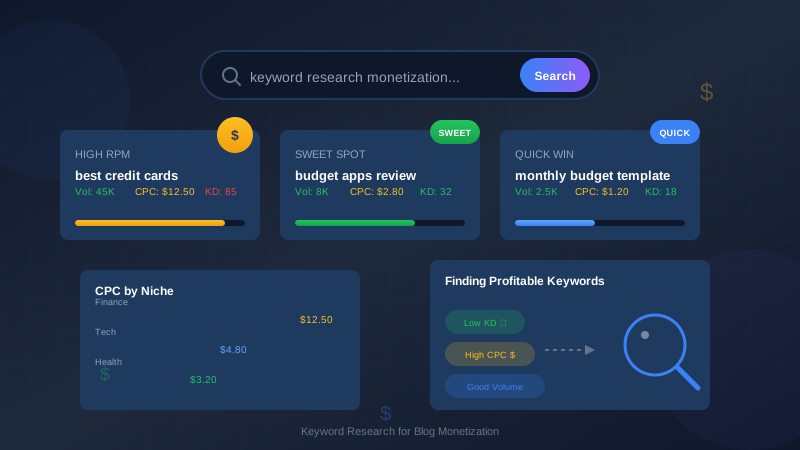
For keyword research to fuel your calendar, see our guide on keyword research for blog monetization.
Frequently Asked Questions
How far ahead should I plan my content?
Plan at least one month ahead for regular content and three months ahead for seasonal content. This gives you time to research, write, and edit without rushing. Many successful publishers plan quarterly with monthly refinements.
Learn more in Featured Snippets Optimization: Boost Traffic and Revenue Fast →
Should I publish on weekends?
It depends on your niche and audience. B2B and professional content typically performs better on weekdays. Lifestyle, entertainment, and hobby content often does well on weekends when people have free time. Test both and let your analytics guide the decision.
How do I balance evergreen and trending content?
Aim for 70-80% evergreen content that will drive traffic for years, and 20-30% trending or seasonal content for traffic spikes. Evergreen content builds your baseline traffic and revenue, while timely content captures search interest during peaks.
What if I fall behind on my calendar?
Adjust and move forward rather than stressing about missed dates. Quality matters more than hitting every deadline. If you consistently fall behind, your schedule may be too aggressive. Reduce publishing frequency to something sustainable.
Should I schedule posts in advance or publish immediately?
Scheduling in advance is generally better. It ensures consistent publishing even when you are busy, allows time for final edits, and lets you optimize publish times for your audience. Most CMS platforms like WordPress have built-in scheduling features.